
CALL US: (817) 663-8160


Why Is My Dog Panting So Much? Differentiating Between Normal Texas Heat And Heatstroke
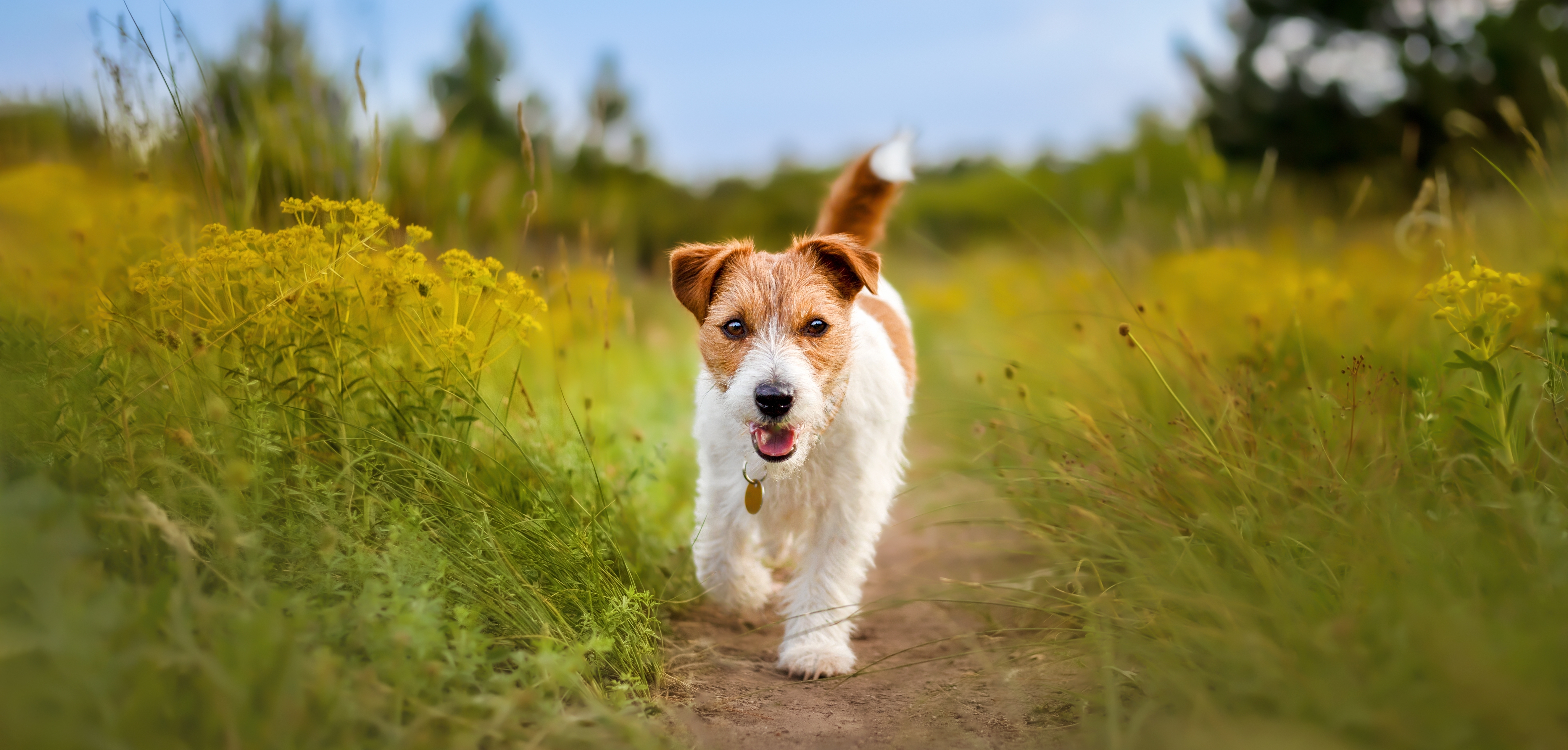
Panting is a normal way for dogs to cool themselves, especially during hot Texas weather. Unlike people, dogs do not sweat the same way, so they rely on panting to release heat and regulate body temperature. However, there is a difference between normal panting after play or a walk and heavy, uncontrolled panting that may point to heatstroke. For dog owners in Arlington, knowing the warning signs can help you act quickly when your pet is in danger.
When Panting Is Normal
Your dog may pant more after exercise, excitement, stress, or time outdoors. In most cases, normal panting improves once your dog rests in a cool, shaded, or air-conditioned area and has access to fresh water.
Panting is usually less concerning when your dog is still alert, breathing comfortably, walking normally, and calming down within a few minutes. Even so, Texas heat can become dangerous fast, especially during peak afternoon temperatures.
When Panting Becomes A Warning Sign
Excessive dog panting should not be ignored if it seems intense, does not slow down, or happens with other symptoms. Heatstroke can develop when a dog’s body temperature rises too high and the body can no longer cool itself effectively.
Watch for signs such as:
• Heavy panting that does not improve with rest
• Excessive drooling or thick saliva
• Bright red, pale, or sticky gums
• Weakness, wobbling, or collapse
• Vomiting or diarrhea
• Confusion, anxiety, or unusual behavior
• Rapid heartbeat or trouble breathing
If your dog shows these symptoms, move them to a cooler area right away and contact a veterinarian or emergency vet.
Dogs At Higher Risk In Texas Heat
Some dogs are more vulnerable to heatstroke than others. Short-nosed breeds, such as Bulldogs, Pugs, and Boxers, can struggle to cool themselves efficiently. Senior dogs, puppies, overweight dogs, dogs with heart or breathing issues, and thick-coated breeds may also overheat faster.
Even healthy dogs can be at risk when walking on hot pavement, exercising too long, or being left outside without shade and water. Never leave your dog in a parked car, even briefly, since temperatures can rise quickly.
What To Do If You Suspect Heatstroke
If you think your dog may be overheating, act quickly. Move your dog indoors or into shade, offer small amounts of cool water, and use cool - not ice-cold - water on their body. Avoid forcing your dog to drink and do not delay care if symptoms are severe.
Heatstroke can damage organs and become life-threatening. A veterinary exam can help determine whether your dog needs fluids, monitoring, or emergency treatment.
How To Help Prevent Overheating
Walk your dog early in the morning or later in the evening when temperatures are lower. Keep outdoor time short, bring water with you, and check pavement before letting your dog walk on it. If the ground feels too hot for your hand, it is too hot for your dog’s paws.
If your dog pants heavily in warm weather, seems unusually tired, or you are unsure whether symptoms are serious, schedule a visit with Dr. Mike’s Affordable Vet Care. Contact our office in Arlington, TX by calling (817) 663-8160 today.
Quick Links


Contact Us
Monday
8:00 AM - 12:00 PM
1:00 PM - 5:00 PM
Tuesday
8:00 AM - 12:00 PM
1:00 PM - 5:00 PM
Wednesday
8:00 AM - 12:00 PM
1:00 PM - 5:00 PM
Thursday
Closed
Friday
8:00 AM - 12:00 PM
1:00 PM - 5:00 PM
Saturday
8:00 AM - 2:00 PM
Sunday
Closed

