
CALL US: (817) 663-8160


Managing Pet Anxiety During Vet Visits
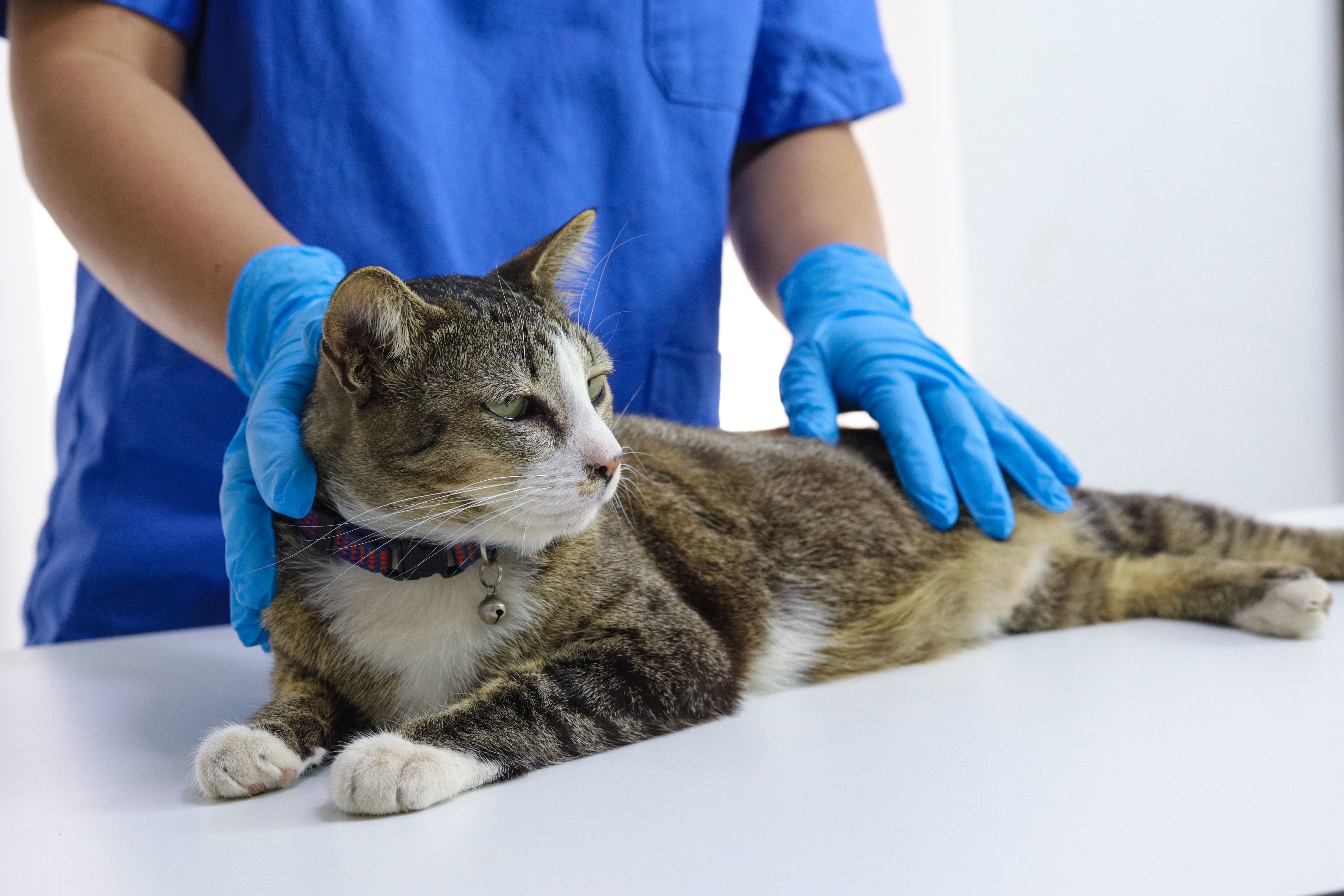
For many pets, a trip to the veterinarian can feel overwhelming. Strange smells, unfamiliar sounds, new people, and other animals can all contribute to stress and anxiety. While veterinary care is essential to your pet’s health, anxiety during visits can make the experience difficult for both pets and their owners.
Fortunately, there are several ways you can help reduce your pet’s anxiety and make vet visits calmer and more comfortable. With preparation, patience, and the right support from your veterinary team, routine checkups can become far less stressful.
Why Pets Get Anxious at the Vet
Pets often associate the veterinary clinic with unfamiliar or uncomfortable experiences. Past negative memories, such as vaccinations or medical treatments, can also make them wary of returning.
Common triggers for vet-related anxiety include:
- Unfamiliar environments and smells
- Being handled by strangers
- Other animals in the waiting room
- Loud noises and medical equipment
- Previous stressful or painful experiences
Recognizing the signs of anxiety is the first step toward helping your pet feel safer during visits.
Signs Your Pet May Be Stressed
Animals express stress differently than humans, but there are clear behavioral cues that indicate anxiety.
Some common signs include:
- Excessive panting or drooling
- Trembling or shaking
- Hiding, crouching, or trying to escape
- Whining, barking, or growling
- Refusing treats or food
- Aggression or defensive behavior
If your pet regularly displays these behaviors before or during vet visits, it’s important to address the issue early to prevent the anxiety from worsening over time.
Preparing Your Pet Before the Appointment
Preparation can significantly reduce stress before you even arrive at the clinic.
Practice Car Rides - Many pets associate car rides only with vet visits. Taking short, positive car trips that end somewhere pleasant - like a park or a walk - can help break this association.
Get Your Pet Comfortable With Handling - Gently handling your pet’s paws, ears, and mouth at home can help them become more comfortable with the type of examination they may experience during a vet visit.
Bring Familiar Items - A favorite toy, blanket, or treat can provide comfort and reassurance during the appointment.
Exercise Before the Visit - For dogs, a walk or play session before the appointment can help burn off excess nervous energy and make them calmer during the visit.
Reducing Stress During the Visit
Once you arrive at the clinic, a few simple strategies can help keep your pet relaxed.
Stay Calm Yourself - Pets are very sensitive to their owner’s emotions. Speaking in a calm, reassuring voice and maintaining relaxed body language can help your pet feel more secure.
Use Proper Carriers or Leashes - Cats and small animals should be transported in secure carriers with soft bedding. Dogs should be on a leash and close to their owner to prevent additional stress.
Reward Positive Behavior - Offering treats, praise, or gentle petting when your pet remains calm can reinforce positive behavior and help them associate the clinic with good experiences.
When Extra Support Is Needed
In some cases, pets with severe anxiety may benefit from additional support. Your veterinarian may recommend:
- Calming supplements
- Pheromone sprays or collars
- Anxiety wraps or calming clothing
- Prescription anti-anxiety medication for extremely stressful situations
These tools can make a significant difference for pets who struggle with intense fear or stress during vet visits.
Building Positive Long-Term Experiences
Helping your pet feel comfortable with veterinary care is an ongoing process. Regular wellness visits - even when your pet is healthy - can help normalize the experience and reduce fear over time.
Some veterinary clinics also offer “happy visits,” where pets can stop by for a quick treat, greeting, or weigh-in without undergoing an exam. These positive interactions can help build trust and reduce anxiety in future appointments.
Help Your Pet Feel Comfortable at the Vet
Vet visits are an essential part of keeping your pet healthy, but they don’t have to be a stressful experience. By recognizing signs of anxiety, preparing your pet ahead of time, and working closely with your veterinarian, you can help make each visit calmer and more positive.
If your pet becomes anxious during veterinary visits, the team at Dr. Mike’s Affordable Vet Care is here to help. Contact Dr. Mike’s Affordable Vet Care today to schedule an appointment and learn how we can help make your pet’s next visit as comfortable and stress-free as possible. Visit our office in Arlington, Texas, or call (817) 663-8160 to book an appointment today.
Quick Links


Contact Us
Monday
8:00 AM - 12:00 PM
1:00 PM - 5:00 PM
Tuesday
8:00 AM - 12:00 PM
1:00 PM - 5:00 PM
Wednesday
8:00 AM - 12:00 PM
1:00 PM - 5:00 PM
Thursday
Closed
Friday
8:00 AM - 12:00 PM
1:00 PM - 5:00 PM
Saturday
8:00 AM - 2:00 PM
Sunday
Closed

