
CALL US: (817) 663-8160


Common Household Hazards for Pets and How to Avoid Them
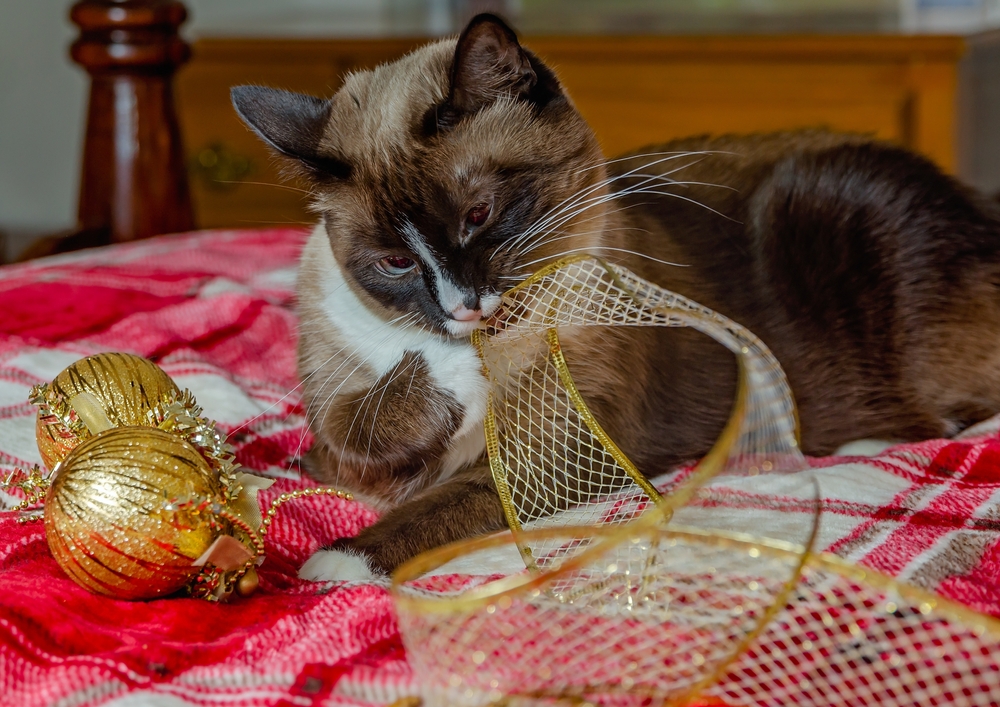
Everyday Items Can Put Pets at Risk
Many pet emergencies start with common household hazards that seem harmless at first. Dogs and cats are naturally curious, and that curiosity can lead them to chew, swallow, lick, or investigate things that are unsafe. At our Arlington veterinary clinic, we often remind pet owners that prevention starts at home. Knowing which risks to watch for can help you avoid an unexpected trip to the vet and keep your pet safer every day.
Toxic Foods Are One Of The Most Common Dangers
Some of the most serious pet poisoning cases begin in the kitchen. Foods like chocolate, grapes, raisins, onions, garlic, xylitol, and alcohol can be dangerous to both dogs and cats. Even small amounts may cause vomiting, weakness, low blood sugar, or worse.
Keeping harmful foods out of reach matters, but so does making sure guests and children know not to share table scraps. If your pet gets into something questionable, quick action matters. Calling your veterinarian right away can make a major difference.
Medications And Cleaning Products Need Extra Care
Human medications are another major source of household hazards for pets. Pain relievers, antidepressants, sleep aids, and vitamins can all be harmful if swallowed. Pets may also be exposed to danger from household cleaners, detergents, bleach, and disinfectants.
A few smart habits can lower the risk:
- Store medications in closed cabinets, not on counters or nightstands
- Keep cleaning supplies in secure areas pets cannot access
- Close toilet lids if cleaning chemicals are used in the bowl
- Never leave purses, pill organizers, or open bags where pets can explore them
This is especially important in busy households where routines change throughout the day.
Plants And Outdoor Products Can Also Cause Problems
Pet safety is not just about what is inside the pantry. Many common plants can be toxic, including lilies, sago palms, and certain aloe varieties. Fertilizers, insect control products, and lawn chemicals can also become a problem when pets walk through treated areas and then groom themselves.
If you enjoy gardening or keeping houseplants, take time to confirm which ones are pet safe. In Arlington homes with yards, this step can be just as important as pet-proofing the inside of the house.
Small Objects And Cords Create Hidden Risks
Not every hazard is toxic. Some are physical dangers. String, socks, batteries, toys with loose pieces, rubber bands, and electrical cords can all lead to choking, intestinal blockages, burns, or internal injury. Puppies and kittens are especially likely to get into these items, but older pets are not immune.
We encourage pet owners to look at the home from their pet’s point of view. If something is on the floor, hanging low, or easy to chew, it may need to be moved or secured.
Prevention Starts With Simple Daily Habits
Avoiding household hazards for pets does not require perfection. It requires awareness and consistency. Safe storage, routine cleanup, and supervision go a long way. If your pet shows signs like vomiting, diarrhea, lethargy, drooling, tremors, or trouble breathing after possible exposure, do not wait to seek help.
For trusted veterinary care and guidance on pet safety, contact Dr. Mike's Affordable Vet Care in Arlington, TX at (817) 663-8160.
Quick Links


Contact Us
Monday
8:00 AM - 12:00 PM
1:00 PM - 5:00 PM
Tuesday
8:00 AM - 12:00 PM
1:00 PM - 5:00 PM
Wednesday
8:00 AM - 12:00 PM
1:00 PM - 5:00 PM
Thursday
Closed
Friday
8:00 AM - 12:00 PM
1:00 PM - 5:00 PM
Saturday
8:00 AM - 2:00 PM
Sunday
Closed

